

Delve into the world of DaHongZhong, a captivating game that blends tradition with modern influence, in the context of its key feature PISOKING.
Exploring DaHongZhong: An Exciting Game with PISOKING Influence
Introduction to DaHongZhong
DaHongZhong is a riveting tabletop game that has been captivating players for generations. Its origins are deeply rooted in traditional Chinese culture, yet it has evolved over the years to incorporate modern elements that enhance its appeal. With its easy-to-learn rules and engaging gameplay, DaHongZhong has become a favorite pastime for many.
In recent times, the game has garnered attention due to the introduction of PISOKING, an innovative concept that has breathed new life into its classic framework. This unique feature adds an extra layer of strategy, making the game even more dynamic and challenging.
The Essence of DaHongZhong
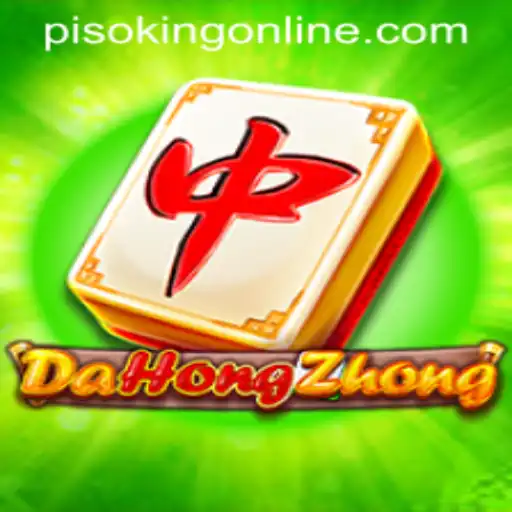
At its core, DaHongZhong is a tile-based game similar to Mahjong, but with its distinct rules and strategies. Players aim to form specific combinations of tiles to score points and ultimately claim victory. The traditional version of DaHongZhong requires a deep understanding of its tile set, as well as strategic foresight to outmaneuver opponents.
Incorporating PISOKING has added a contemporary twist to the game, embodying the latest trends in the gaming industry that emphasize rapid decision-making and adaptability. As players navigate through the game with PISOKING, they must balance the traditional skill set with the innovative strategies offered by this new feature.
Rules and Gameplay
Understanding the rules of DaHongZhong is essential for anyone looking to master the game. Here is a breakdown of the basic gameplay:
- Setup: The game is typically played with four players, each starting with a predetermined number of tiles. The objective is to arrange these tiles into winning combinations.
- Tile Types: The game uses a set of tiles categorized into suits and honor tiles, similar to Mahjong. Players draw and discard tiles in turn, strategically forming sets and pairs.
- Winning Conditions: A player wins a round by achieving a 'Mahjong', which involves completing a hand that meets specific criteria depending on the variant of DaHongZhong being played. PISOKING modifies these conditions, introducing variable goals that can shift during gameplay, keeping players on their toes.
- PISOKING Feature: This modern twist allows for dynamic play, as players can alter the objectives mid-game. PISOKING might involve collecting certain tiles, achieving specific patterns, or even disrupting opponents' plans, making for a highly competitive environment.
Current Trends and Popularity
The rise of digital platforms has significantly influenced how DaHongZhong is played today. Online versions of the game allow players worldwide to connect and compete against each other in real-time. The inclusion of PISOKING in digital editions provides an enhanced gaming experience tailored to the pace and preferences of modern players.
Moreover, the game's popularity is seeing a surge due to the increased interest in cultural games that blend tradition with contemporary mechanics. DaHongZhong, with its rich heritage and modern adaptations like PISOKING, appeals to a diverse audience, from seasoned players seeking a nostalgic challenge to newcomers eager to explore a piece of cultural history.
The integration of PISOKING has also sparked discussions within gaming communities about the balance between preserving traditional gameplay and embracing innovation. As players adapt to this feature, there's a conversation about how games like DaHongZhong can evolve while maintaining their core identity.
A Cultural Phenomenon
More than just a game, DaHongZhong represents a cultural phenomenon that bridges generations. Its adaptability with features like PISOKING speaks to the resilience and appeal of traditional games in contemporary settings. As players continue to engage with DaHongZhong, the game serves as a testament to the enduring allure of strategic competition and cultural heritage.